A 28-year-old laboratory worker has died. She worked at an institute that studies plague, and the first phrase to come out locally was “a particularly dangerous infection.” Two days later, Russia’s central health authorities drew a line: “It is not plague.” The World Health Organization (WHO) considers the risk to Europe very low, but says the information is contradictory and is asking for further explanation.
This article is not a confirmed report. It sorts what was known as of the morning of October 7 into three groups: the facts that have emerged, what the authorities have denied, and what has not yet come out.
What happened
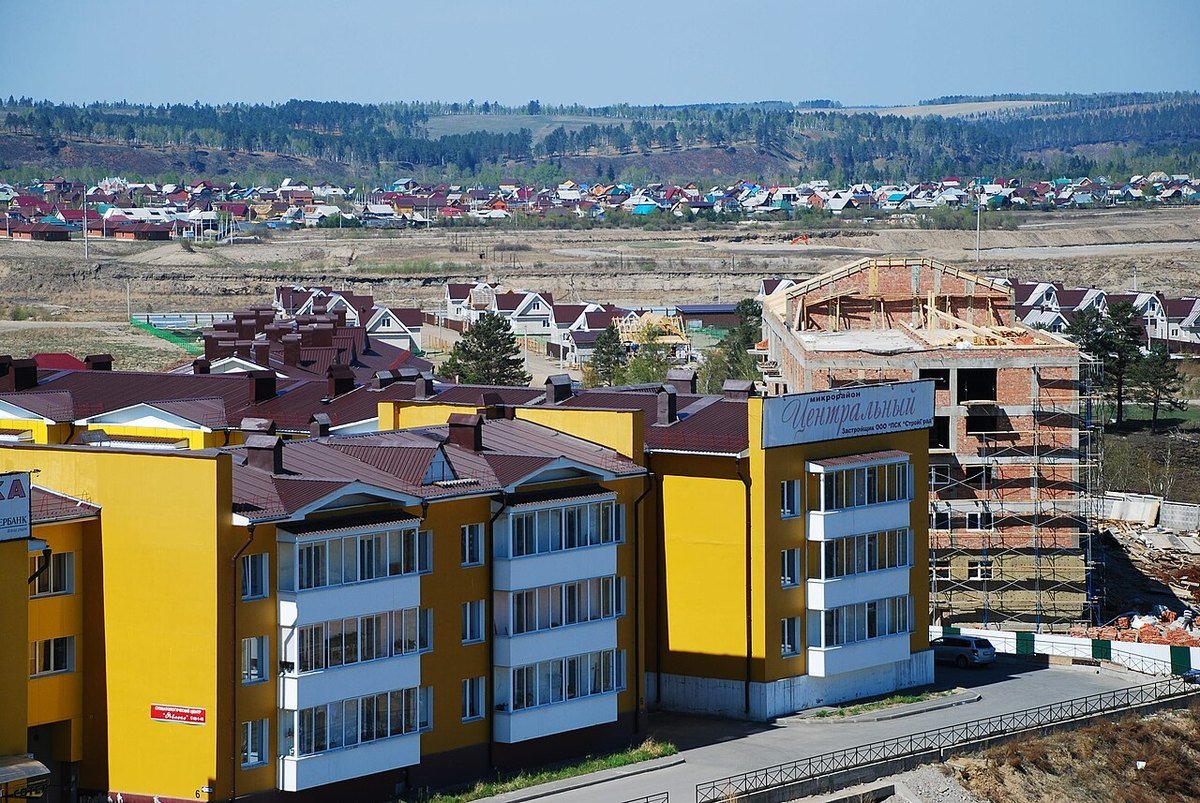
Local media reports identify the woman who died as Darya Shipilova (spelled Daria in some reports). She was a laboratory technician at the Irkutsk Anti-Plague Research Institute of Siberia and the Far East in Shelekhov, southwest of Irkutsk. Founded in 1934 in the Soviet era, the institute works on plague control, vaccines and outbreak surveillance. It is also known to handle cholera, brucellosis and anthrax.
Russian state news agency TASS and others reported the cause of death as “pneumonia of unknown origin.” Last Friday, the governor of Irkutsk Oblast announced that a resident had been diagnosed with an unidentified, particularly dangerous infection. WHO spokesperson Christian Lindmeier gave the date of death as October 2, 2026, while some reports say October 1 or 2. Some accounts say she died in a hospital in Irkutsk about two days after her symptoms began.
Early on, local authorities raised the possibility of a laboratory accident and of pneumonic plague. The hospital that treated her was partially shut down, and about 200 recent close contacts were placed under observation. Rospotrebnadzor, Russia’s federal health watchdog, later said that no work-related pathogen had been detected, and that testing of the contacts found only colds and flu, including COVID-19.
What is pneumonic plague?
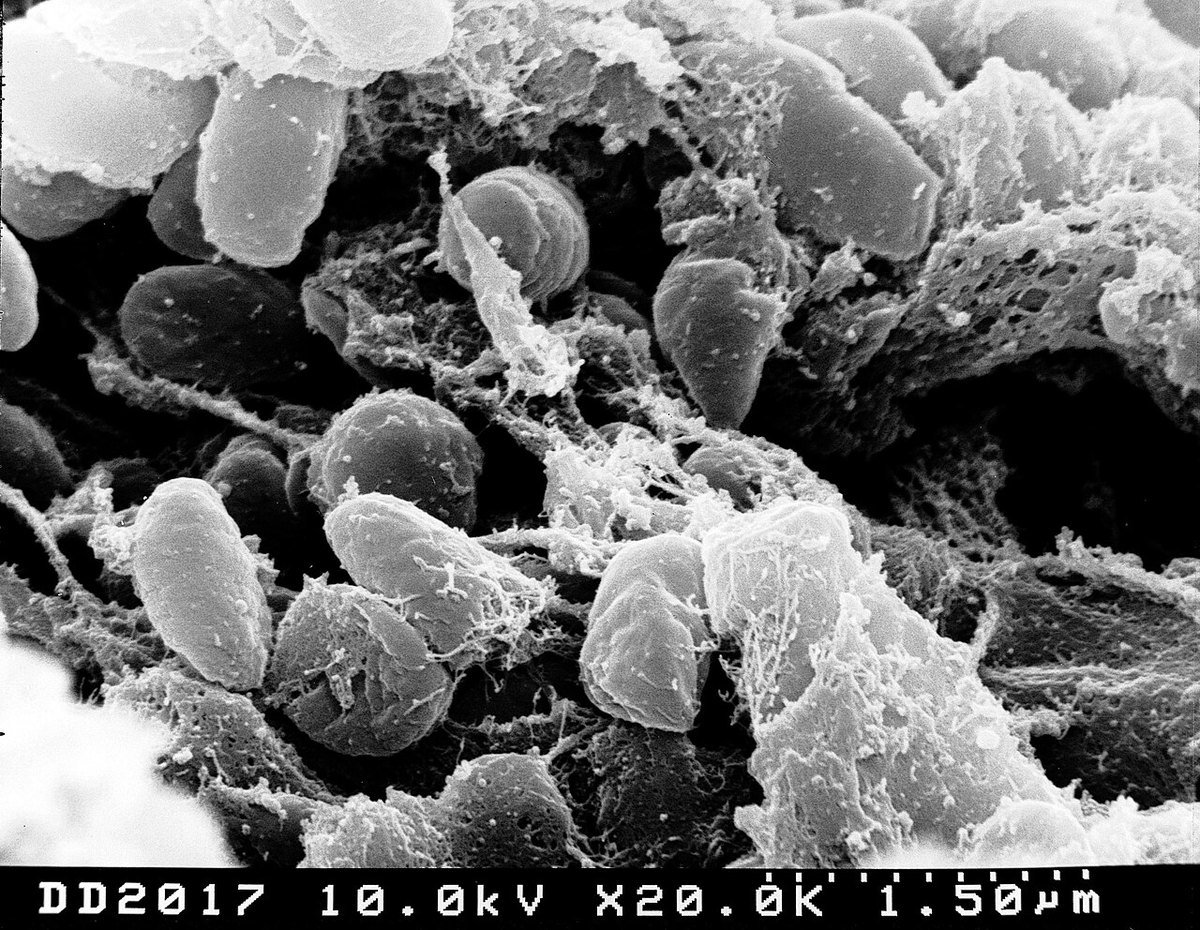
The plague bacterium, Yersinia pestis, circulates naturally between rodents and fleas. The Irkutsk region is a natural plague focus, as WHO has also confirmed. Infections are usually grouped into three forms: bubonic plague, in which the lymph nodes swell; septicemic plague, in which the bacteria spread through the blood; and pneumonic plague, in which the bacteria enter the lungs and can spread from person to person through respiratory droplets.
Untreated, pneumonic plague has a high fatality rate, but it is curable if antibiotics are given early. Belonging to the same bacterial lineage as the 14th-century Black Death does not, on its own, make it “impossible to contain.” What matters is whether the diagnosis was delayed, and whether an accident occurred while the pathogen was being handled in the laboratory. No investigation findings on that question have been made public yet.
Who said what
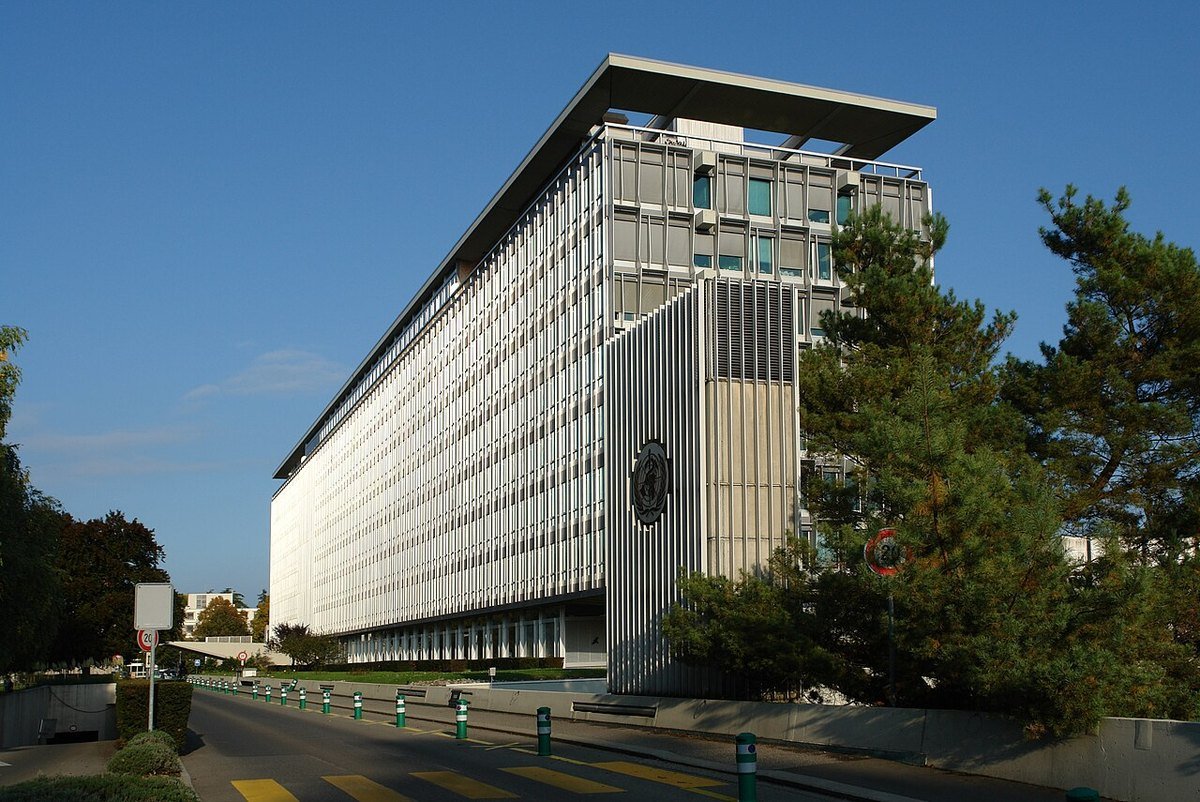
On October 6, WHO assessed the risk, based on the information available, as moderate-to-low for Irkutsk, low for Russia as a whole and very low for the European region. Russia has not asked WHO to send experts. According to the authorities’ reply, no plague cases have been recorded in Irkutsk and no high-risk pathogens have been found. Their explanation is that the initial symptoms looked like a common acute respiratory viral infection.
Later that night, WHO Director-General Tedros Adhanom Ghebreyesus said there were reports of a second staff member with pneumonia of unknown cause, and called for rapid and complete information-sharing under the International Health Regulations. The second case has not yet been confirmed by the authorities.
U.S. President Donald Trump said on October 5 that he was watching the situation closely and was willing to help. At that point he had not spoken with Russian President Vladimir Putin about the matter. On October 7, remarks from the White House indicated that a call with Putin about the Siberian institute had been scheduled. Secretary of State Marco Rubio, during a visit to Iceland, called on Russia to share information transparently.
What is confirmed, and what is not
These are the facts closest to being confirmed:
- A female staff member of the anti-plague institute, in her 20s, died of severe pneumonia.
- About 200 contacts were placed under observation, and the hospital that treated her was partially isolated for a time.
- Russia’s central authorities have said it was not a confirmed case of plague.
- WHO rates the risk beyond the region as very low, while flagging the gaps in information.
These are not established yet:
- That it was a laboratory accident. There are only early reports and a denial from the central authorities; there is no report on how an accident happened.
- A confirmed case of pneumonic plague. The authorities deny it, and no independent verification results have been made public.
- A local outbreak. There has been no official announcement that a high-risk pathogen was found among the contacts.
- Whether the second staff member’s pneumonia has the same cause.
What this has in common with the early days of COVID-19 is a “research institute” and an “information gap” — not evidence that a pandemic has already begun. The same reasoning explains why an official denial does not end the story. When a laboratory worker in a natural plague area dies of pneumonia of unknown cause, the controversy closes only once the circumstances are explained, even if the test results are negative.
In South Korea, no change to quarantine alerts has been announced. The thing to watch is not entry restrictions, but whether the test results WHO has requested and the status of the contacts are put on paper within the next few days.
한국어 요약
러시아 이르쿠츠크주 셸레호프의 방역연구소에서 일하던 28세 실험실 기사가 원인 불명 폐렴으로 숨지면서 폐페스트 의혹이 불거졌습니다. 러시아 중앙 당국은 페스트가 아니며 업무 관련 병원체도 검출되지 않았고 접촉자 약 200명에게서는 감기·독감만 확인됐다고 밝혔지만, 사고 경위 보고서나 독립 검증 결과는 아직 공개되지 않았습니다. WHO는 유럽 지역 위험을 매우 낮다고 평가하면서도, 원인 불명 폐렴을 앓는 두 번째 직원이 있다는 보도를 들어 국제보건규약에 따른 신속한 정보 공유를 촉구했습니다. 한국의 방역 경보에는 변화가 발표되지 않았으며, 며칠 안에 검사 결과와 접촉자 상태가 문서로 나오는지가 관건입니다.